
Rooms that do not exist.
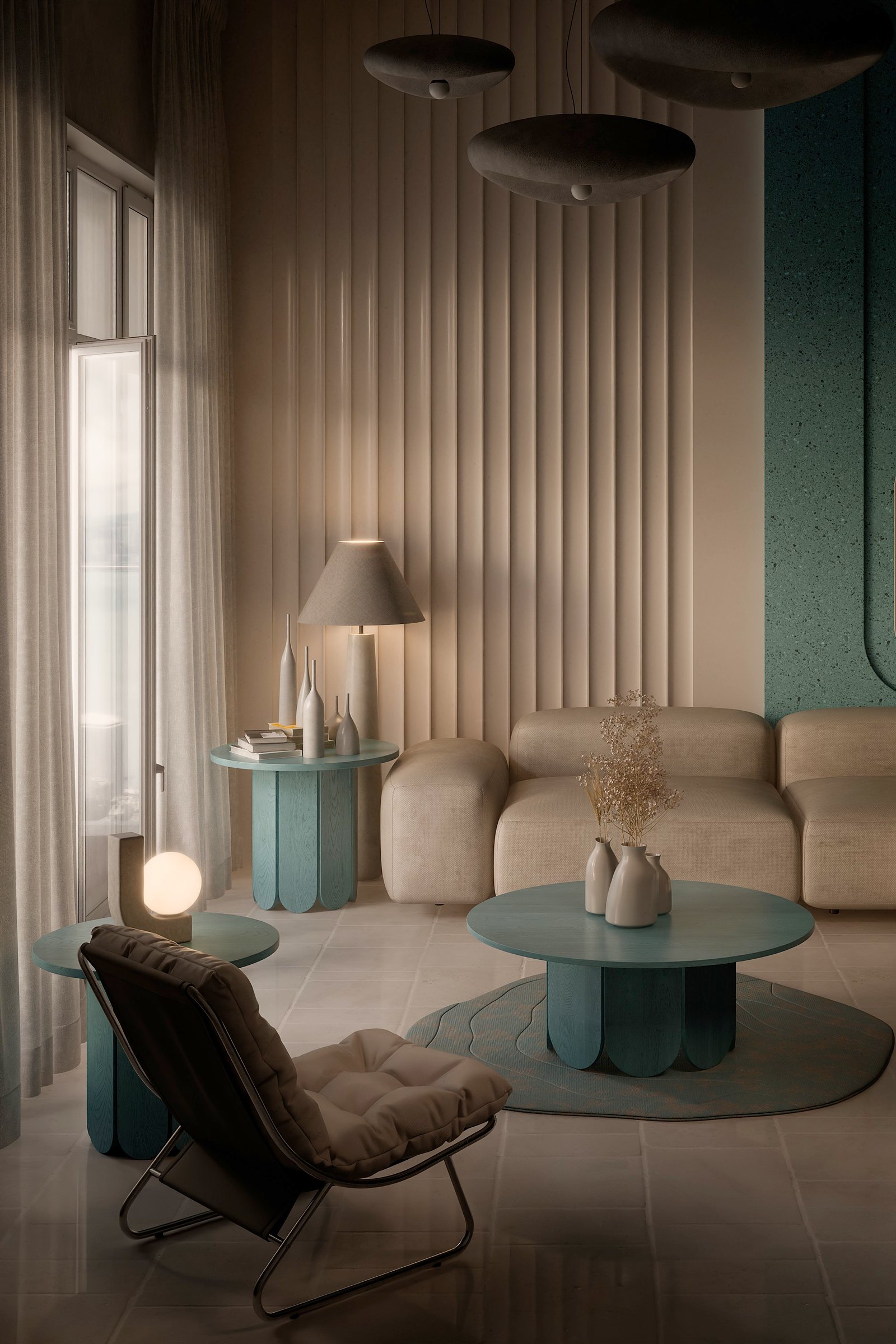
CRANEO 3D is the rendering practice of an architect based in Mexico. Each work is a room built from light, stone and silence, and kept as a single photograph.
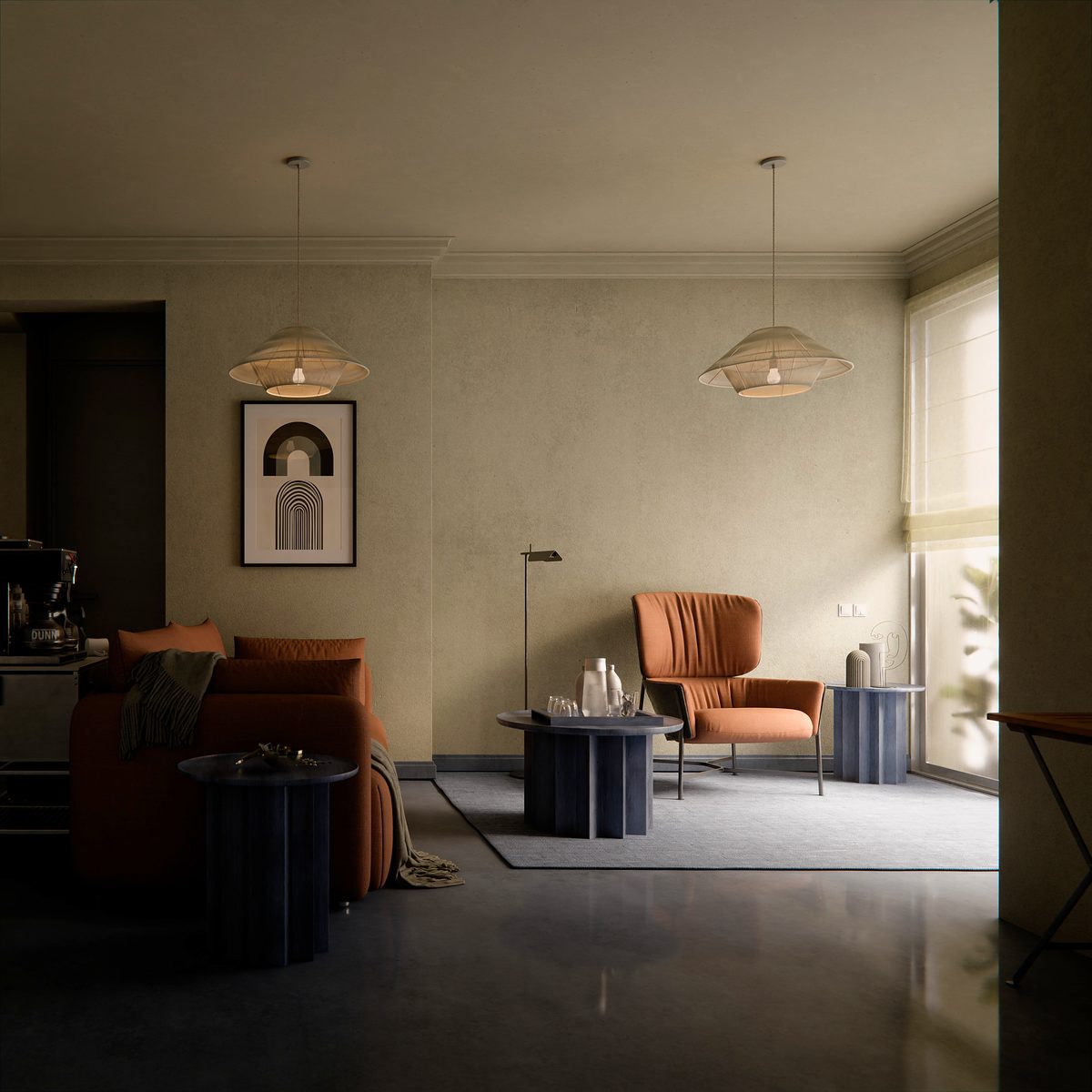
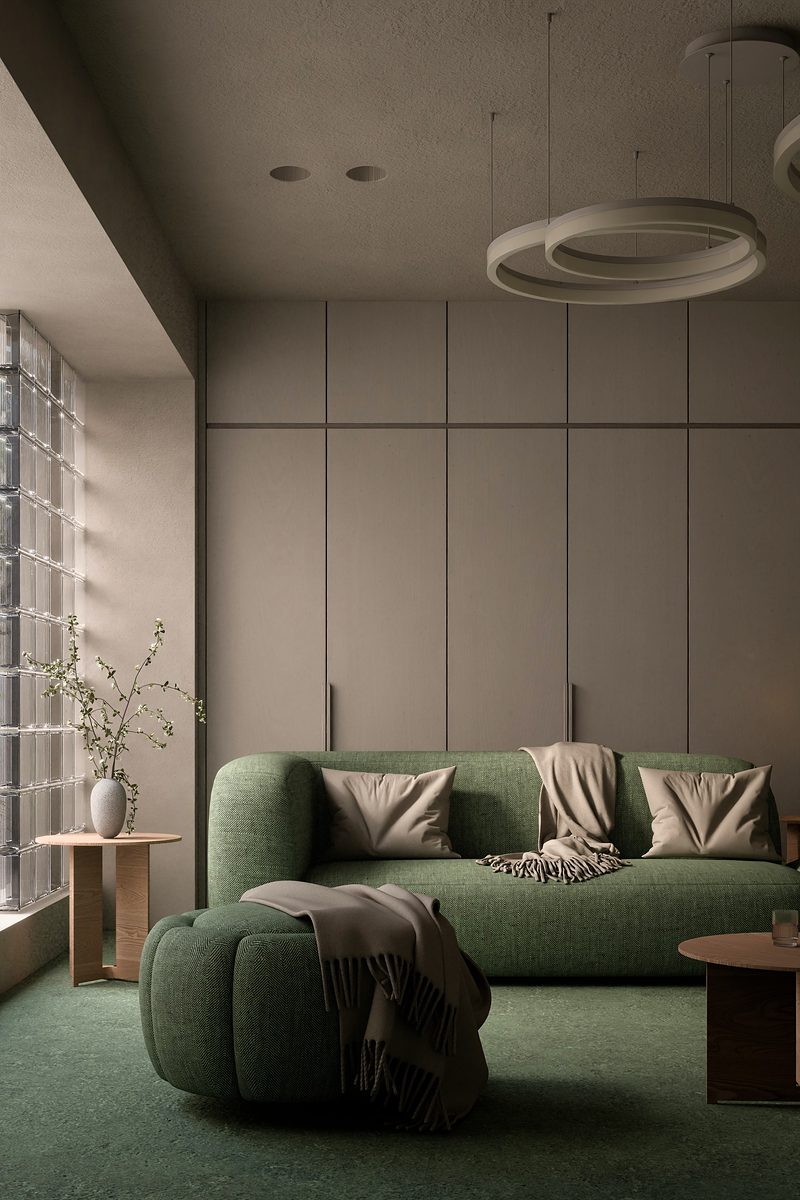
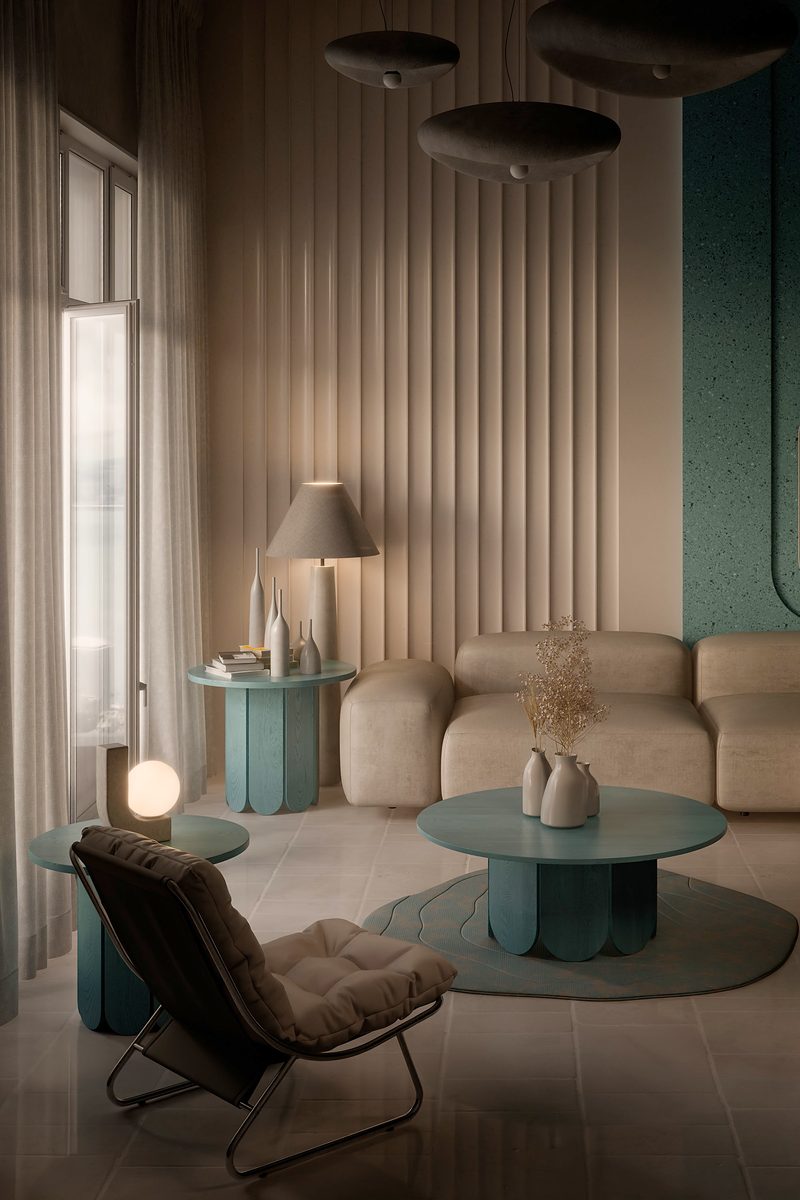
One room, three states
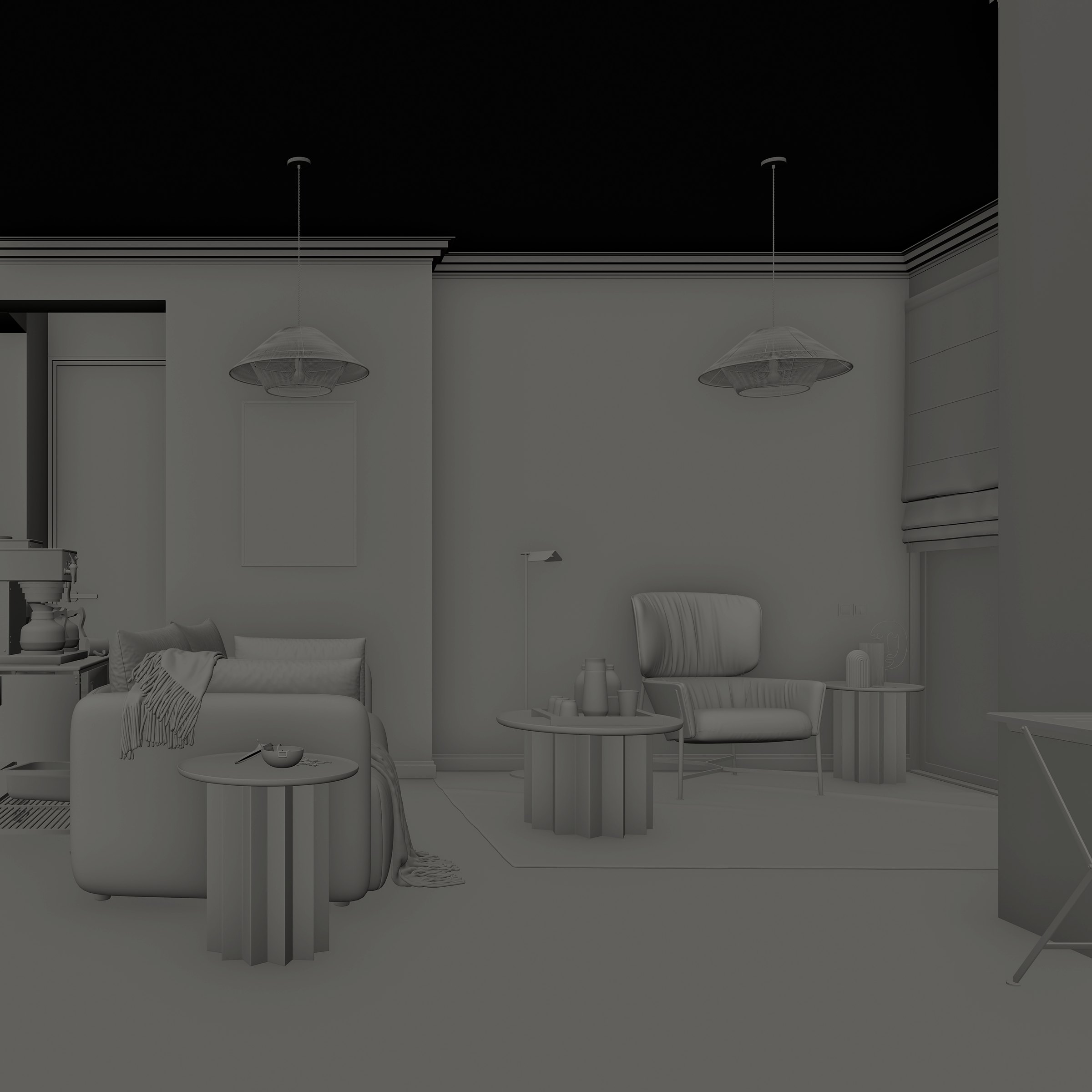
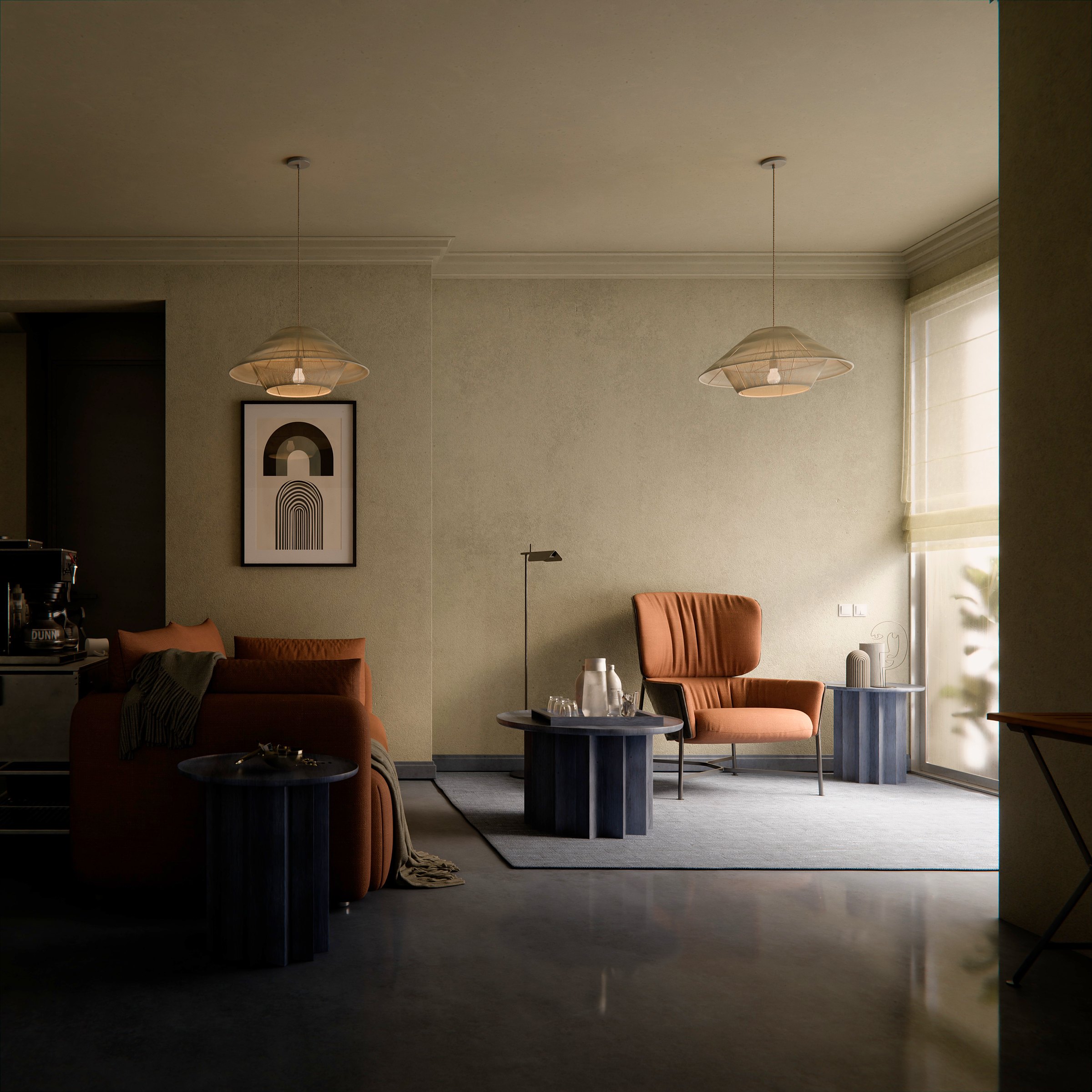
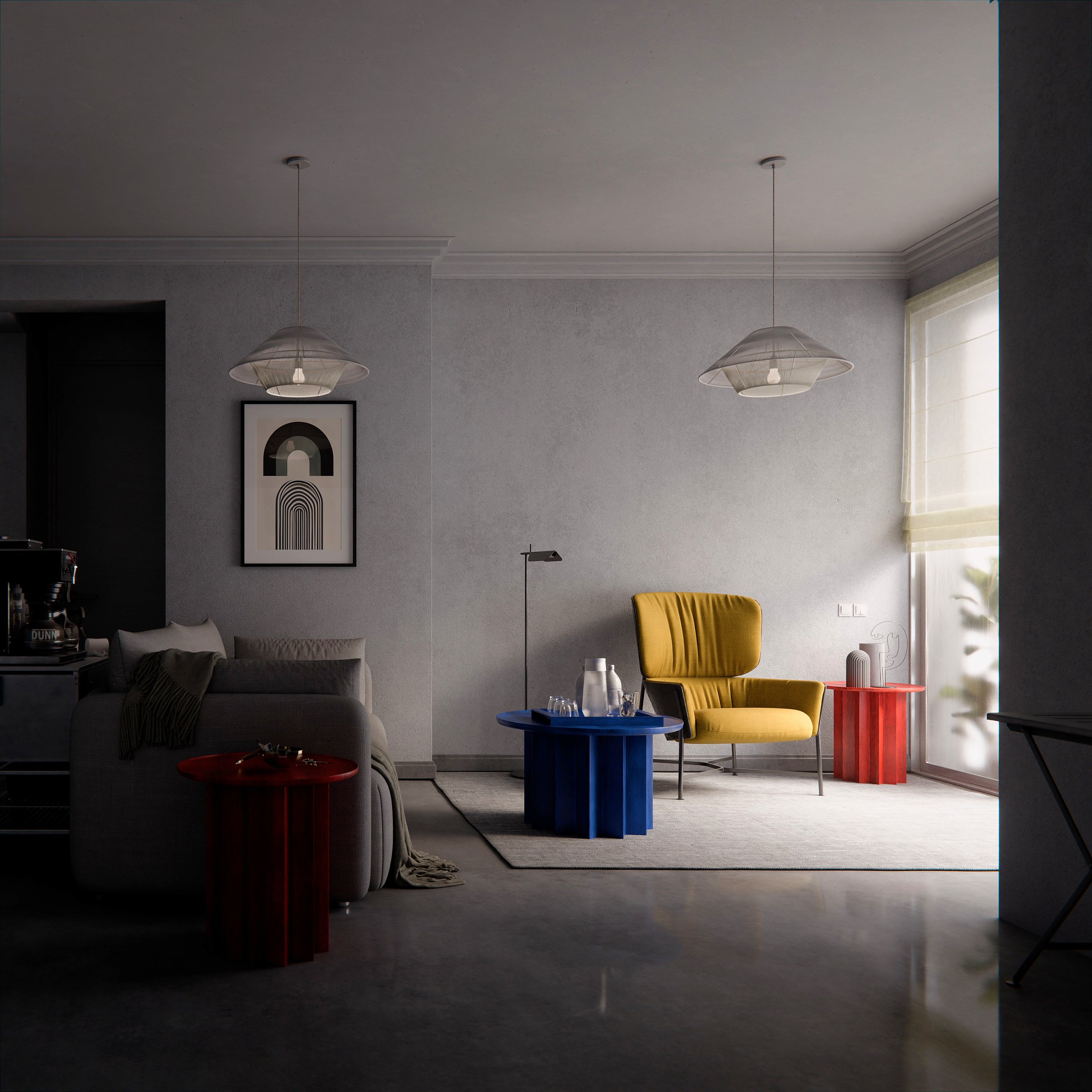
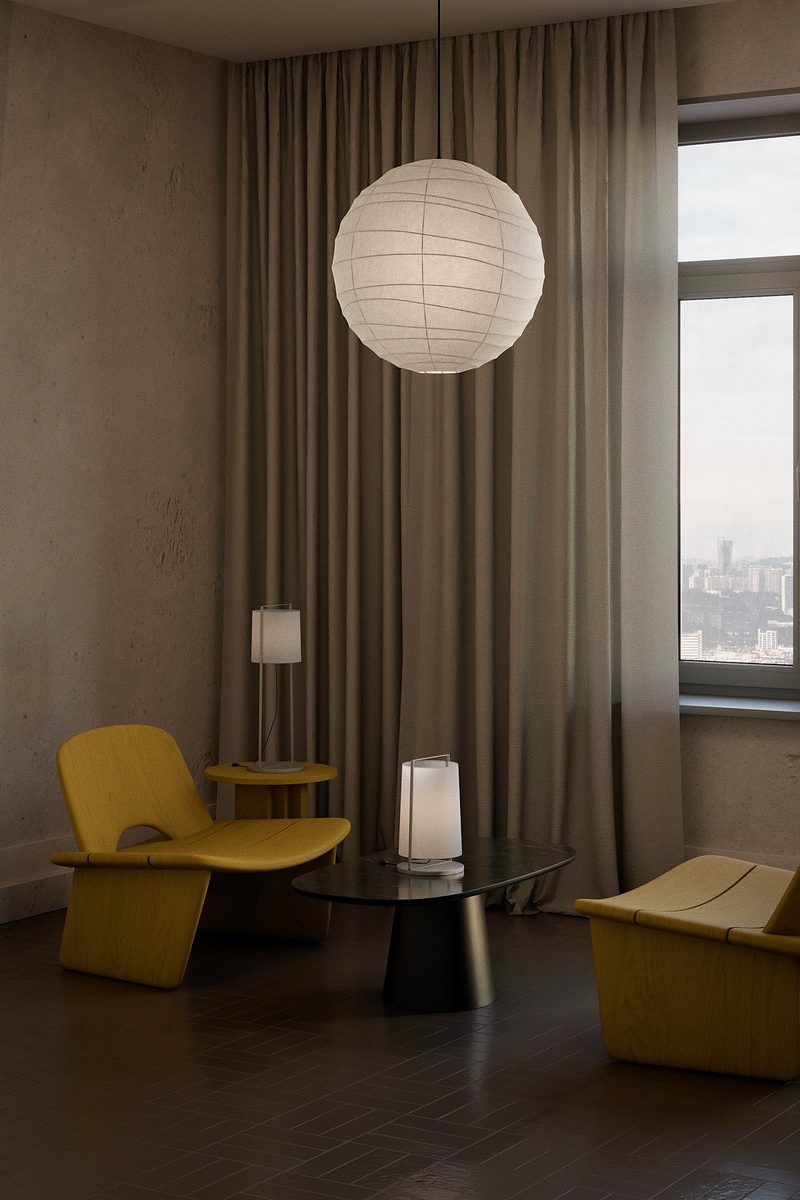
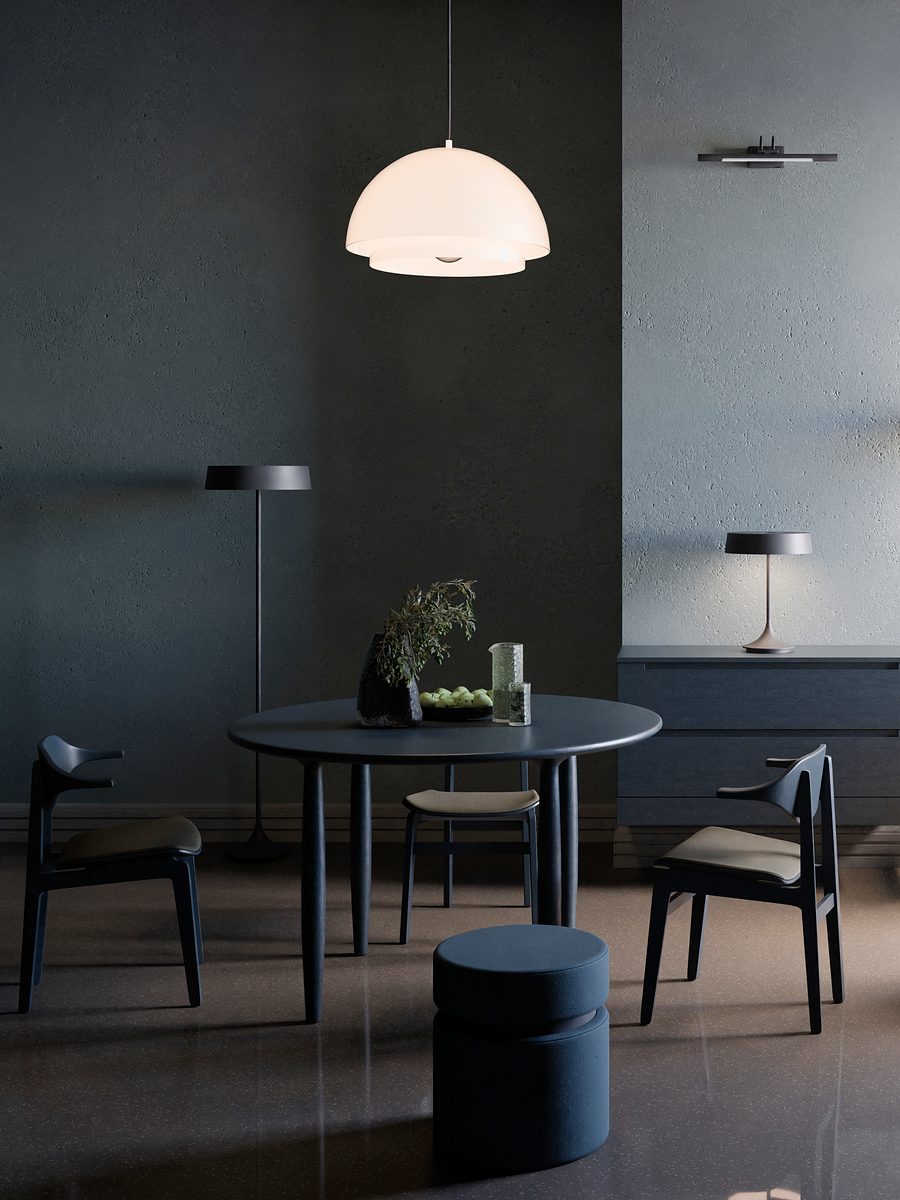
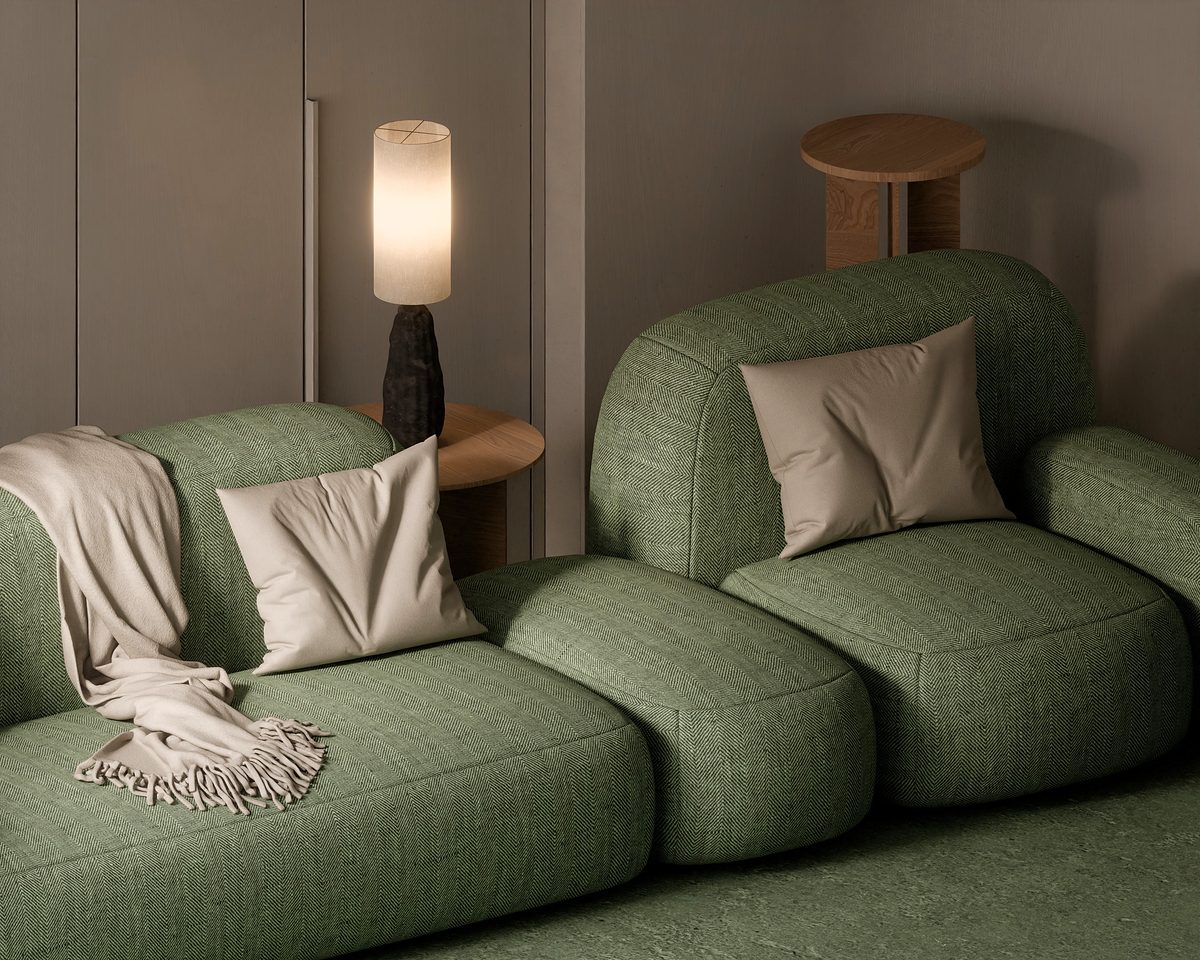
Every room starts as a white model. Light is fixed first; materials come last. Change the materials and the same room tells a different story.
 No. 005 · Ochre
Archive
Prints
Opening soon on INPRNTSelected rooms are printed as archival pigment prints on cotton rag paper, signed and numbered by hand.
- PaperCotton rag, matte
- Sizes30 × 30 · 50 × 50 cm
- EditionNumbered, 30 per size
- Printed byINPRNT, USA
Blender scenes
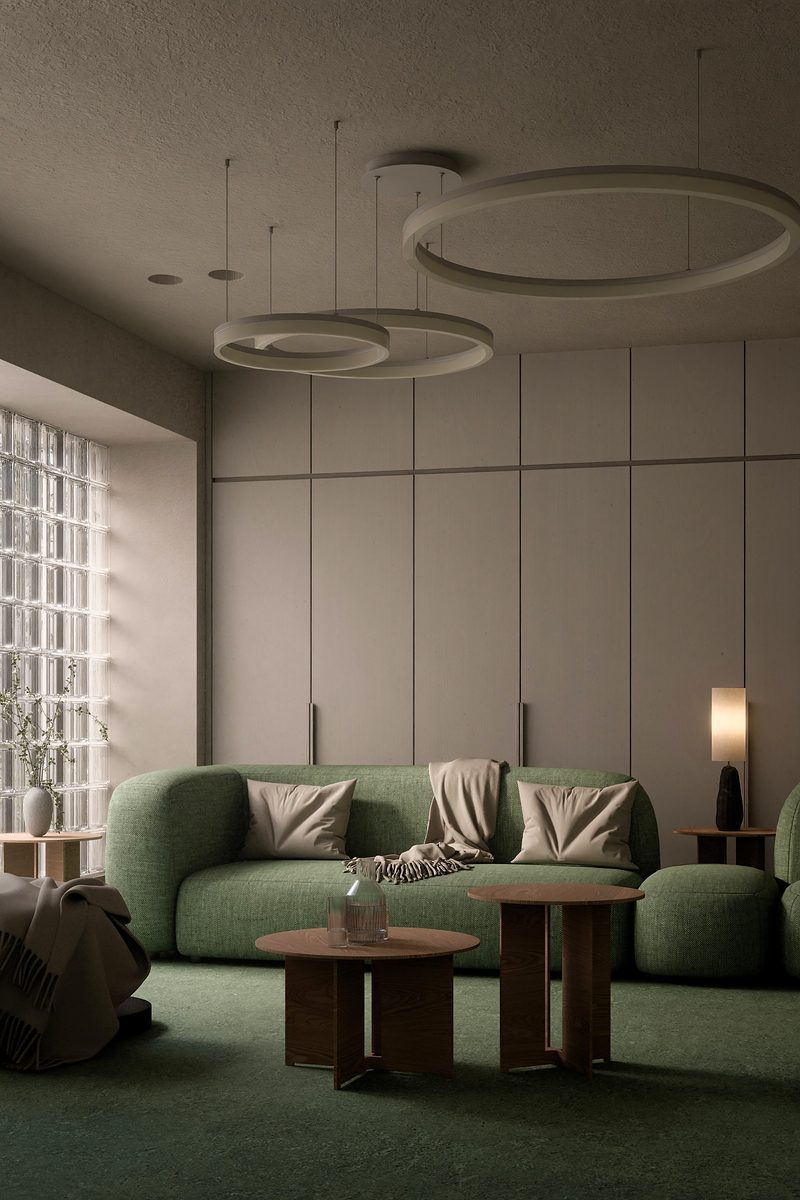
SuperhiveThe complete file behind an image: the room, its light and its cameras, ready to render in Cycles.
- SoftwareBlender · Cycles
- IncludesCameras, light, materials
- New scenesCC0 and original assets
- Catalogue30+ scenes and kits

About
MexicoI trained as an architect in Mexico and I work in Blender. CRANEO 3D is where I build the rooms I cannot build on a site: one source of light, a few honest materials, and time.
Craneo means skull in Spanish. The skull is drawn by hand; the letters are drawn with a ruler. I sign the work with the studio name and keep my own out of it: the rooms should speak first.
Less, but better. Honest, but warm. Systematic, but melancholic. Made to last.
Influences
What the rooms are made ofThe archive is built from a few convictions and a longer list of teachers. None of them is copied; each one taught me where to look.
- Architecture
- Luis Barragán and Juan O'Gorman, for walls and colour in Mexican light. Tadao Ando, Louis Kahn and Peter Zumthor, for silence, weight and atmosphere. Carlo Scarpa, for the joint where two materials meet.
- Painting
- Edward Hopper and Vilhelm Hammershøi, for empty rooms that still feel inhabited. Mark Rothko, for colour as a place to stand in. René Magritte, for a daylight that should not be possible.
- Film and photography
- Ron Cobb's work on Alien and the city of Blade Runner, for a future that has been lived in. Andrei Tarkovsky and Roger Deakins, for time and light. Gregory Crewdson and Todd Hido, for the stillness just before something happens.
- Japan
- Jun'ichirō Tanizaki's In Praise of Shadows. Ma, the space left empty so a room can breathe, and wabi-sabi, the dignity of things that age.
- Design
- Dieter Rams and the Swiss grid, for the discipline of less. Every room starts as a white model and earns each material it gets.